Q1 2025 Automation Report: FedEx, Panasonic, and the Logistics Revolution
First quarter 2025 saw massive logistics and manufacturing automation with FedEx cutting 15,000 and Panasonic cutting 10,000 in AI-enabled manufacturing.
Q1 2025 Automation Report
FedEx: 15,000 Positions Automated
The quarter's biggest automation story: FedEx cut approximately 15,000 jobs through AI-powered sorting, automated logistics, and robotics deployment across its network. This represents one of the largest single automation events in logistics history, affecting warehouse workers, package sorters, and logistics coordinators.
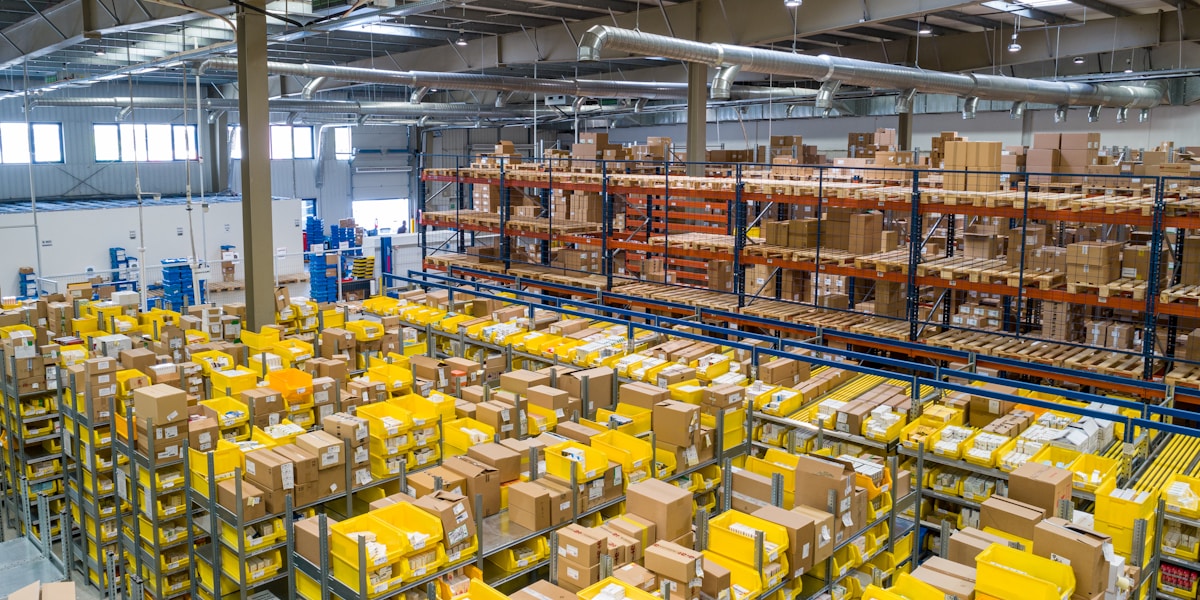
FedEx has been investing heavily in robotic sorting systems that can process packages faster and more accurately than human workers, while AI route optimization reduces the need for logistics planning staff.
Panasonic: AI-Enabled Manufacturing
Panasonic CEO Yuki Kusumi announced 10,000 job cuts driven by digital transformation and AI-enabled manufacturing. This is significant as one of the largest AI-attributed manufacturing workforce reductions in Japan — a country that has historically managed automation transitions more gradually than Western counterparts.
The Logistics Automation Wave
- Automated sorting systems now handle 60-80% of package processing at major carriers
- AI route optimization has reduced logistics planning staff requirements by 30-40%
- Warehouse robotics continue to scale, with pick-and-pack automation reaching new categories
Retail Automation
- Self-checkout expansion accelerated
- Sam's Club continued reducing checkout staff (12,000 positions affected over 2023-2025)
- Inventory management AI reduced stockroom headcount at major retailers
Manufacturing Trends
- Robot density increased 5% year-over-year in OECD countries
- China added more industrial robots than any other country
- Automotive sector nearing 95% automation in welding and painting
Q1 Numbers
| Category | Positions Affected |
|---|---|
| Logistics & Warehousing | 18,000+ |
| Manufacturing | 12,000+ |
| Retail | 3,000+ |
| Total Q1 automation impact | 33,000+ |
The Distinction
Physical automation differs from AI displacement in important ways: 1. Capital intensive — requires hardware investment, not just software 2. Slower to deploy — months to years vs. days for software AI 3. More visible — robots on factory floors vs. invisible AI in back offices 4. Harder to reverse — once installed, automation infrastructure rarely gets removed
But the pace is accelerating. And unlike AI, which often augments knowledge work, robotics tends to directly replace entire roles rather than portions of them.
What to learn next
Coursera
Build in-demand skills with structured courses
ToolPerplexity
Research and productivity tools for the AI era
CareerResume.io
Resume and job transition support
Some links may earn us a commission. We only recommend resources we believe provide genuine value.
This summary was prepared with AI assistance and reviewed by our editorial team.
Published by Robot Layoffs · Data estimated from public reporting · Methodology